

Farming
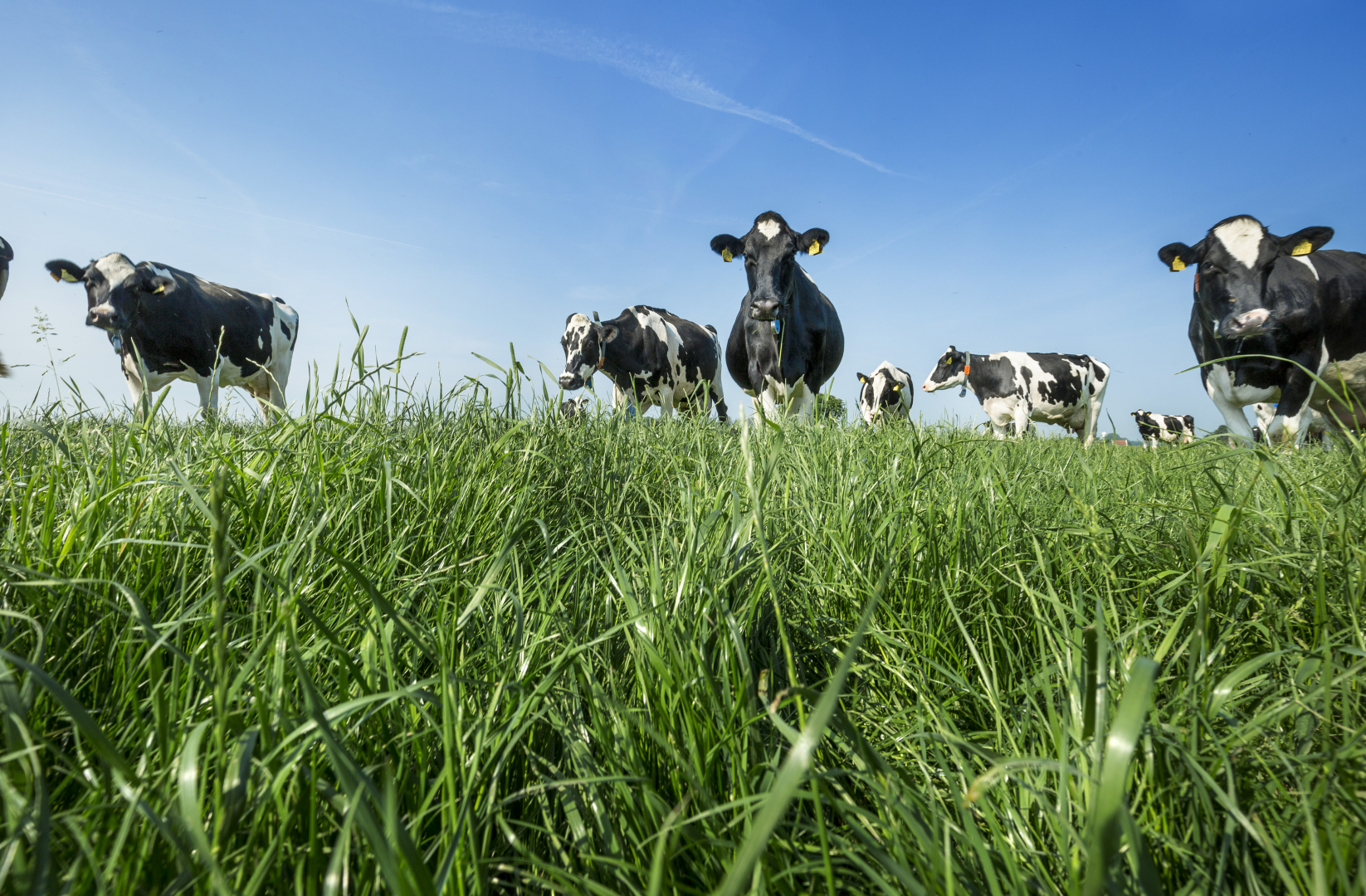
Plan successful winter feed and fodder programs with the right species, paddock preparation and grazing management for productive, quality outcomes.
Winter feed and quality, dependable fodder production are important to maintaining productivity in times where pastures are not growing well enough. Well established and managed autumn-planted annual crops will allow for increased productivity at times when perennials may be growing slowly, and will remove grazing pressure from your valuable pastures, keeping them in good shape for the next growing season. Targeted and well-grown silage and hay may also be essential for feeding out in dry, cold and at other challenging times, or as cash crops for sale.
There are some very useful species to consider using and Barenbrug have been developing improved cultivars to meet particular challenges and opportunities for various enterprises. Annuals, forage rapes, cereals and vetches are vitally important for winter-dominant rainfall, summer-dry areas. Newer genetics offer improved forage production, later seasonal quality and better disease tolerances. Fast establishing specialty forage cereals and ryegrasses also offer an efficient option for topping up or over-seeding existing pastures to enhance winter feed, whether in the warmer, coastal kikuyu-based systems or the cooler inland and
southern zones. For increased feed quality, Barenbrug has an unsurpassed range of annual clovers, vetches and chicory to include in feed and fodder programs. If you are looking for productive rotational crops, a reliable spring surplus for silage or hay, or simply more feed in winter, with the right option from Barenbrug, you can grow with confidence.
Success with winter feed and forages
Winter forages in an animal production enterprise are usually needed when:
- There is more feed needed in the cooler times when pastures are slow; or
- Existing perennial pastures are not up to scratch and need renewal; or
- Fodder options are limited.
Keeping paddock records of grazing history or pasture measurements are usually the best ways of determining which paddocks to target for renewal or for topping up and oversowing. As with all successful crops and pastures, planning, preparation, timely operations, weed and pest management, grazing and using fertiliser effectively are all important factors in helping to assure a good outcome.
Key elements for the success of winter feed and fodder crops:
• Paddock records
• Soil testing
• Right species and variety to suit the job needed
• Paddock preparation for fertility, soil amendments and cultivation if required
• Sowing in a timely fashion, suitable depth, with appropriate moisture
• Appropriate fertiliser program to assure productivity prospects
• Early weed and pest control
• Grazing management
And for silage and hay:
• Timely cessation of grazing
• Suitable application of fertiliser (and irrigation if applicable) to meet yield targets
• Ongoing pest monitoring and response as required
• Well-executed, timely harvest operations
Which species and variety to use, and how to go about it will depend on your individual circumstances and objectives. Norco AgriSolutions sales staff and agronomists will be able to offer further technical advice.
Annual ryegrass
(L. multiflorum, L. westerwoldicum)
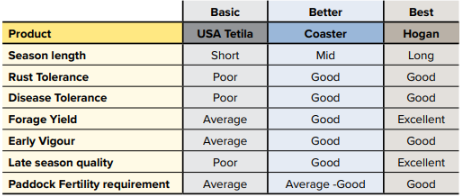
Annual ryegrasses are sown for a high quality, short-term winter crop, providing multiple grazings in winter and spring. They are generally used for a 6−9+ month winter crop prior to sowing a summer crop, or to make the most of a growing season rainfall where late season rain is unreliable. Annual ryegrass exhibits the greatest winter growth potential of all the ryegrass types. Including annual ryegrass when sowing a permanent pasture is not generally recommended, as annuals die out, allowing space for weeds to take over. They also establish rapidly and compete strongly with perennial species.
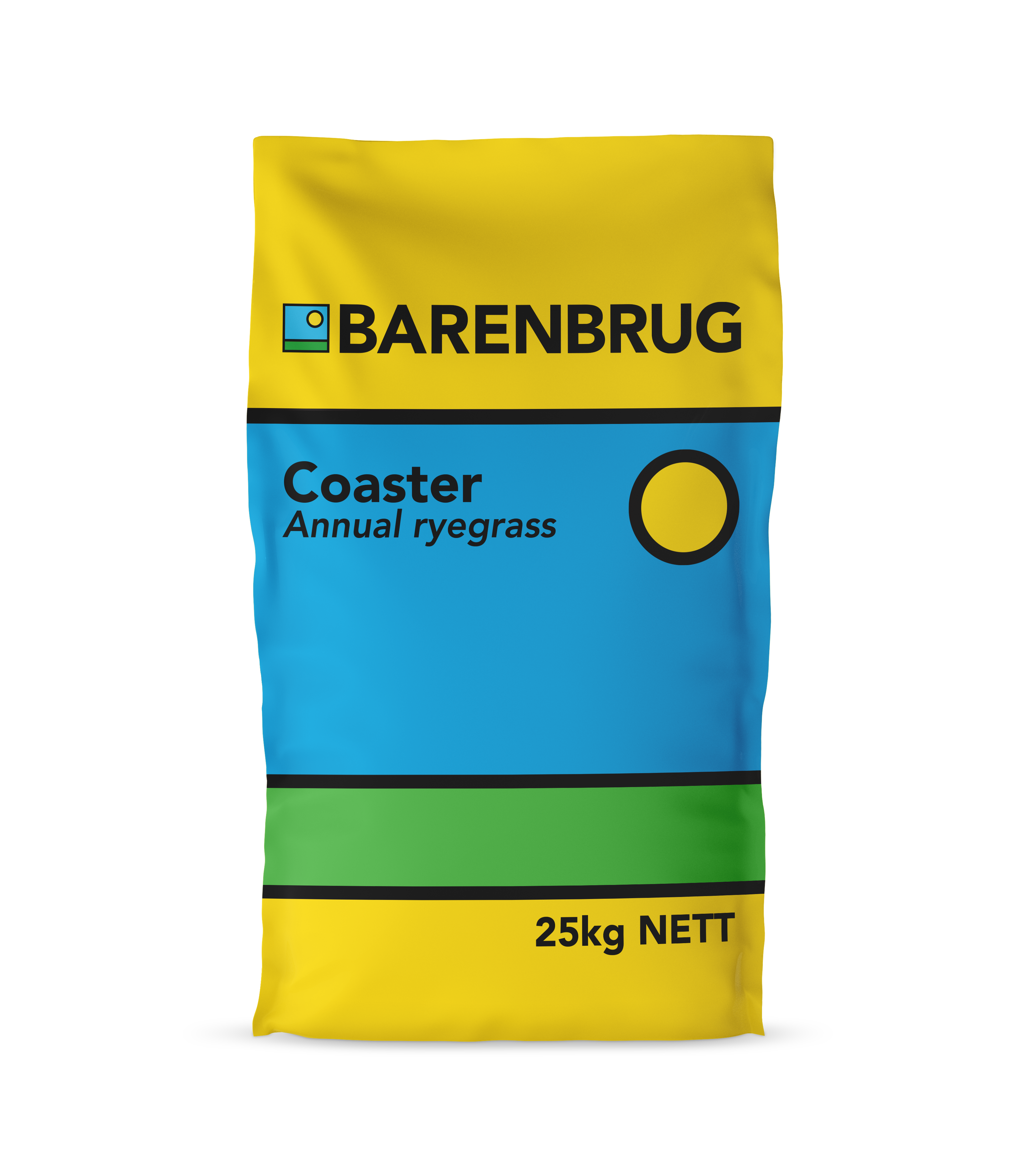
Coaster
Annual ryegrass
Average Annual Rainfall : 500mm+
pH: 4.8–8.0
• Mid–late flowering
• Excellent autumn, winter and early spring growth
• Good quality
• Ideal for fast, cool-season feed, silage and hay
• Good heat tolerance
• Replacement for Maximus and T-Rex
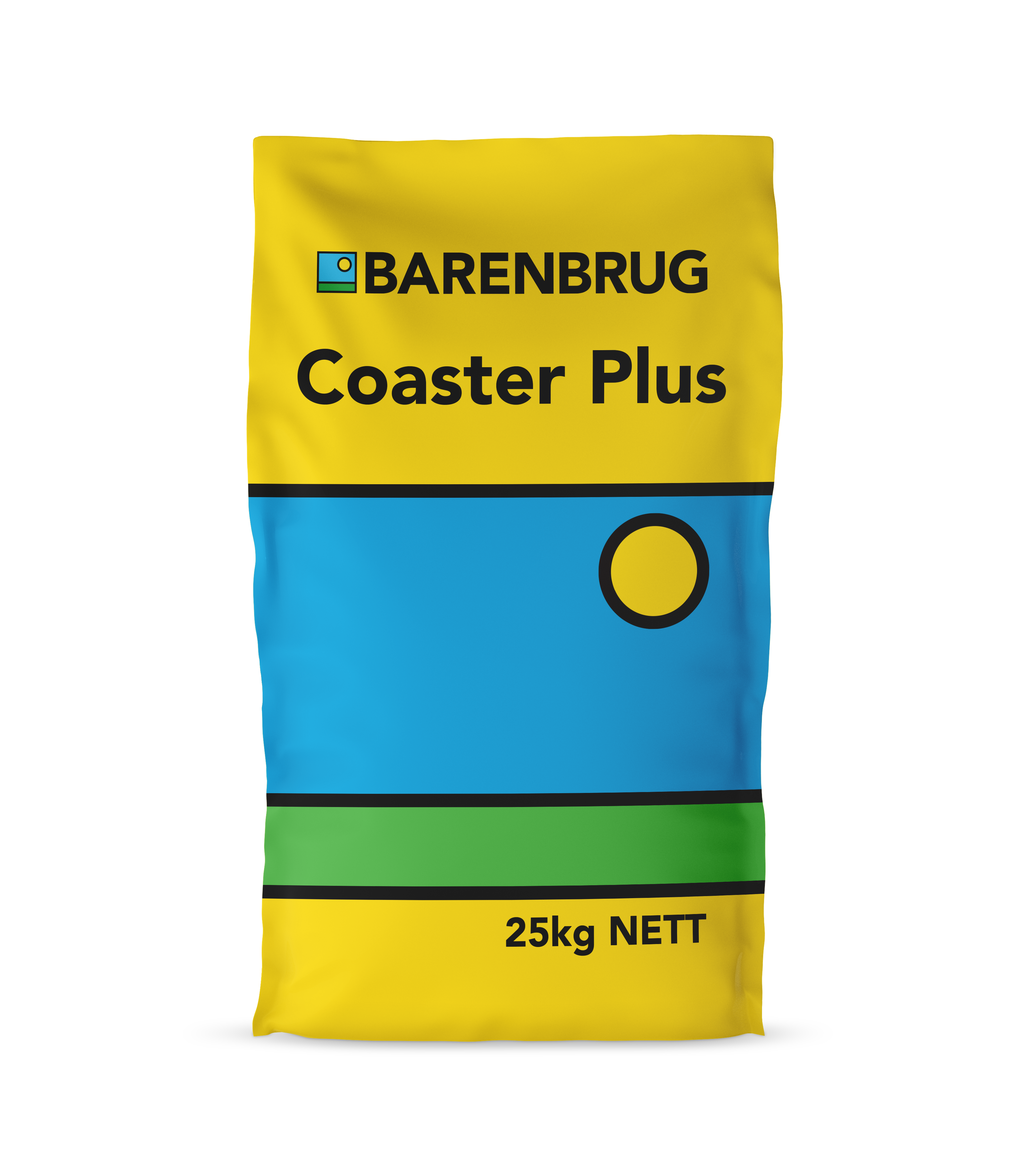
Coaster Plus
Annual ryegrass
Average Annual Rainfall : 550mm+
pH: 4.8–8.0
• Late maturing diploid annual ryegrass and long season herbs for extended season length
• Co-Species compliment each other, producing more forage for longer
• Quick to first grazing
• Excellent autumn/winter production plus strong late spring growth
• Very useful for hay and/or silage
• Highly adaptable across a diverse range of environments
• Chicory component is known to persist and perform once annuals die off, providing a legacy of quality into oversown Kikuya based pastures
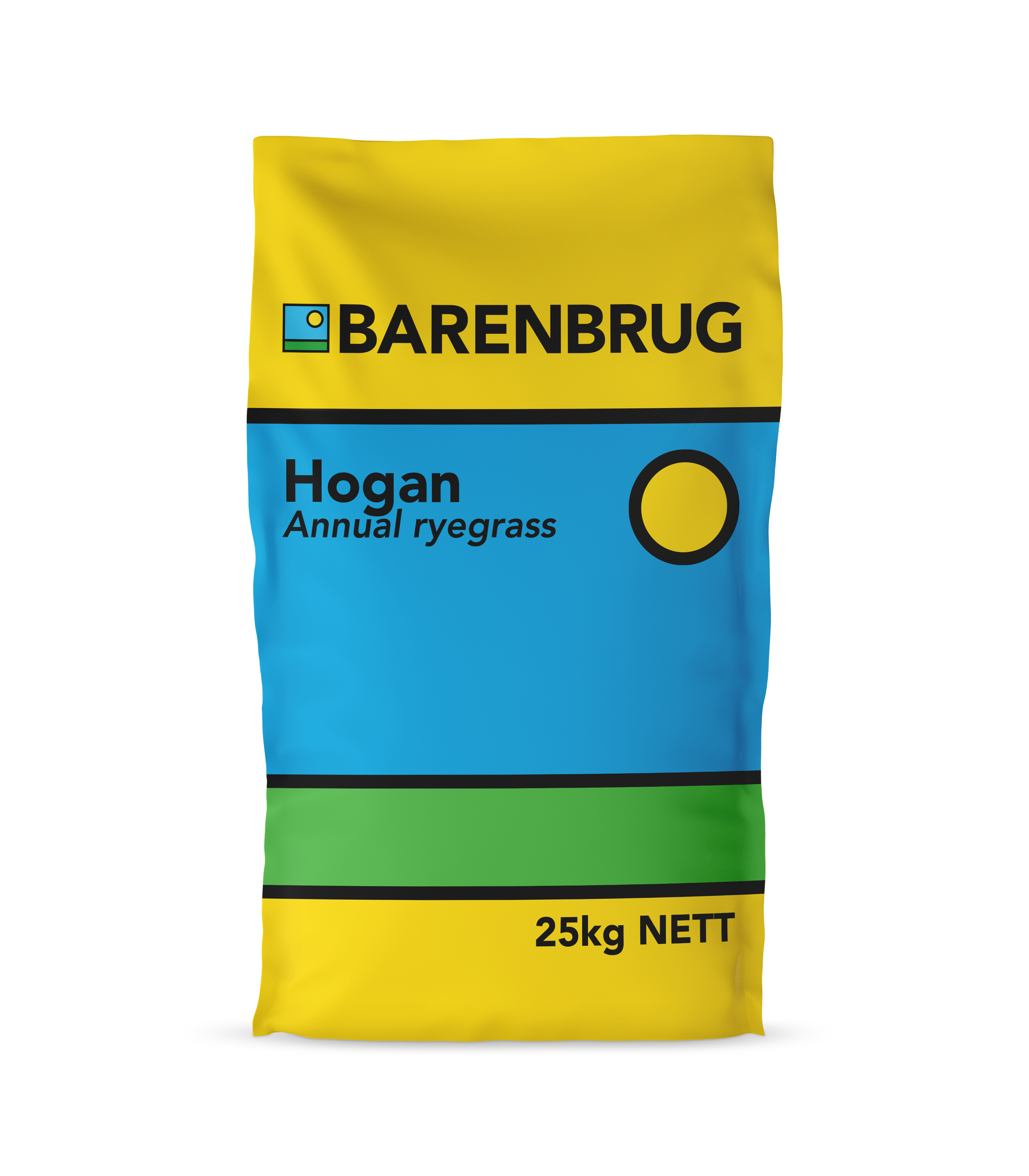
Hogan
Annual ryegrass
Average Annual Rainfall : 600mm+
pH: 4.8–8.0
• Latest maturity annual available (+22 days)
• Very fast establishment for early grazing potential
• Excellent autumn/winter production plus strong late spring growth
• Good spring growth and rust resistance
• Good prospects for second cut or after-spring grazing
• Well suited to high production areas with good spring growth prospects
• The #1 ranked Annual Ryegrass in the February 2024 Dairy Australia Forage Value Index (FVI).
Which species and variety to use, and how to go about it will depend on your individual circumstances and objectives. Norco AgriSolutions sales staff and agronomists will be able to offer further technical advice.