

Farming, Dairy, Landcare
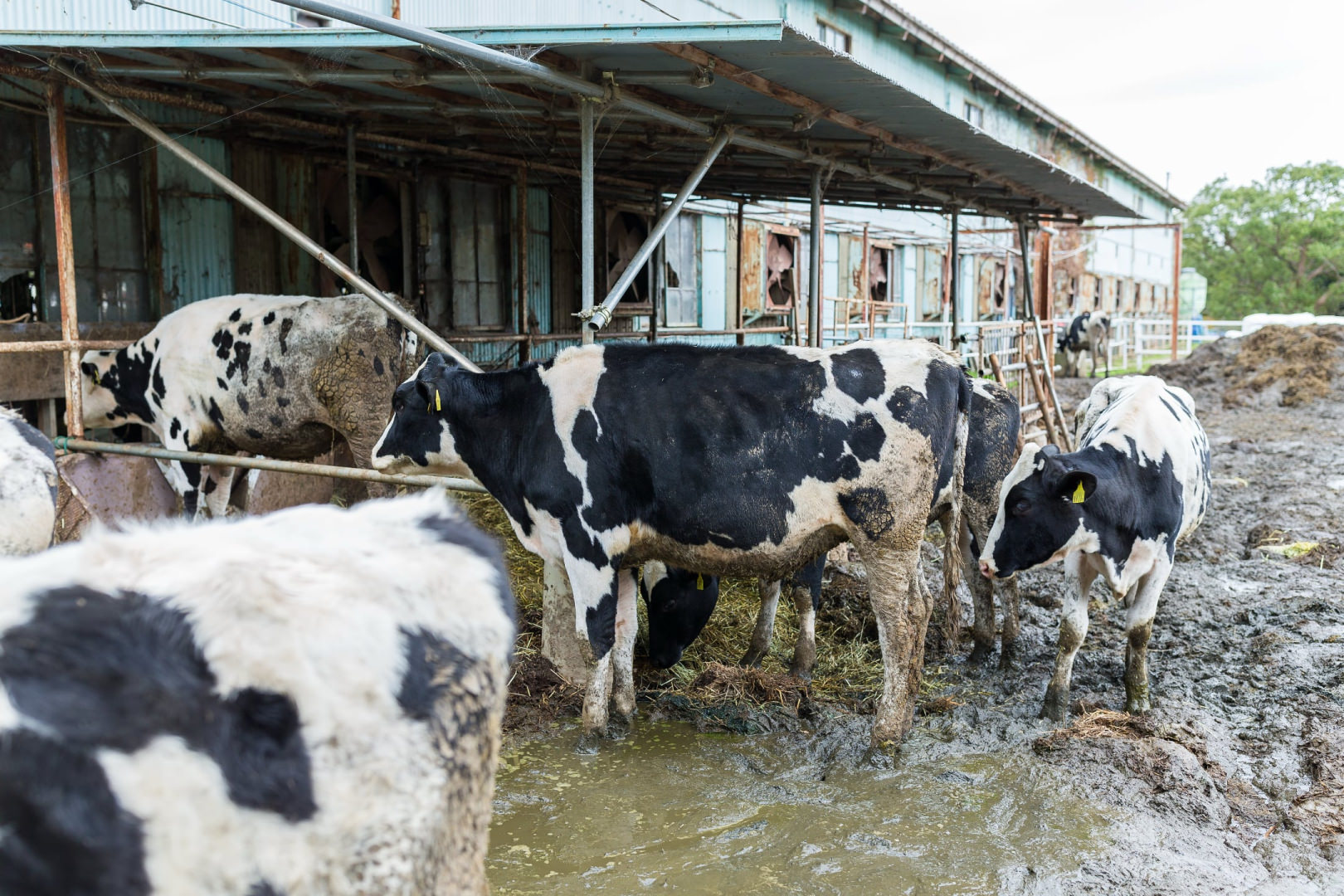
Feeding livestock efficiently is key to optimal productivity in both beef and dairy operations.
Feeding livestock efficiently is key to optimal productivity in both beef and dairy operations. However, during feed storage or harvesting, wet conditions or improper handling can lead to spoilage, mould growth, and feed degradation. While using spoiled or mouldy feed may seem like a cost-saving strategy during shortages or tight budgets, it carries significant risks to cattle health and farm profitability.
Understanding Wet, Mouldy, and Spoiled Feeds
Wet feed refers to feed that has high moisture content, either naturally or due to environmental exposure (e.g., rain). Mouldy feed is characterized by visible fungal growth, often resulting from improper drying or storage. Spoiled feed may include feed that has undergone undesirable fermentation, rotting, or contamination.
These conditions often occur in:
- Silage with poor compaction or sealing
- Hay that was baled wet and stored without sufficient drying
- Grains and concentrates stored in humid or leaky environments
Health Risks to Cattle
Mycotoxicosis
- Moulds such as Aspergillus, Fusarium, and Penicillium can produce mycotoxins, which are toxic to cattle.
- Common mycotoxins include aflatoxins, zearalenone, deoxynivalenol (DON), and fumonisins.
- Symptoms include reduced feed intake, poor weight gain, reproductive issues, diarrhoea, liver damage, and in severe cases, death.
Digestive Disorders
- Spoiled feeds may disrupt rumen microbial balance, leading to acidosis, bloat, or indigestion.
Abnormal fermentation in wet or spoiled silage can produce butyric acid, which depresses intake and impairs digestion.
Respiratory Issues
- Dust from mouldy feeds can lead to respiratory distress in cattle and increase the risk of pneumonia, particularly in calves.
Reduced Milk Production and Growth Rates
- In dairy cattle, contaminated feed directly affects milk yield and quality.
- In beef cattle, growth rates and feed efficiency decline, affecting overall productivity.
Risk Factors and Indicators
Producers should inspect feed for:
- Visible mould (white, green, black, or pink growth)
- Musty or sour odour
- Discoloration
- Heating in stored feeds
- Clumping or slime (in wet stored feeds)
Feed testing for moisture, pH (for silage), and mycotoxins is highly recommended.
Best Practices for Managing Spoiled Feeds
Avoid Feeding Spoiled Feed When Possible
- Discard heavily moulded or obviously spoiled feed.
- Avoid feeding spoiled silage from the surface or edges of bunkers.
Dilution Strategy
- If slightly spoiled feed must be used, dilute it with clean, high-quality feed to minimize intake of contaminants.
Use of Binders and Additives
- Mycotoxin binders (e.g., bentonite clays, activated charcoal) can be added to rations to reduce toxin absorption.
- Probiotics or yeast cultures may help stabilize rumen health.
Proper Storage and Handling
- Ensure silage is properly packed and sealed to prevent air ingress.
- Store hay in dry, covered areas to prevent moisture exposure.
- Use feed within optimal storage durations to avoid spoilage.
Consult with a Nutritionist or Veterinarian
- Work with professionals to assess feed quality and determine safe inclusion rates.
- Monitor herd health closely when incorporating borderline-quality feeds.
Economic Considerations
Using spoiled feed may appear to save money but can lead to hidden costs:
- Increased vet bills
- Poor animal performance
- Reduced product quality (milk or meat)
- Long-term health effects on breeding stock
Conclusion
Feeding wet, mouldy, or spoiled feed to beef and dairy cattle is a risky practice that can negatively impact animal health, productivity, and farm economics. While occasional use may be managed with careful mitigation strategies, routine feeding of such feeds should be avoided. Ensuring proper feed storage, regular inspection, and quality control are essential for maintaining a healthy, productive herd.