

Dairy
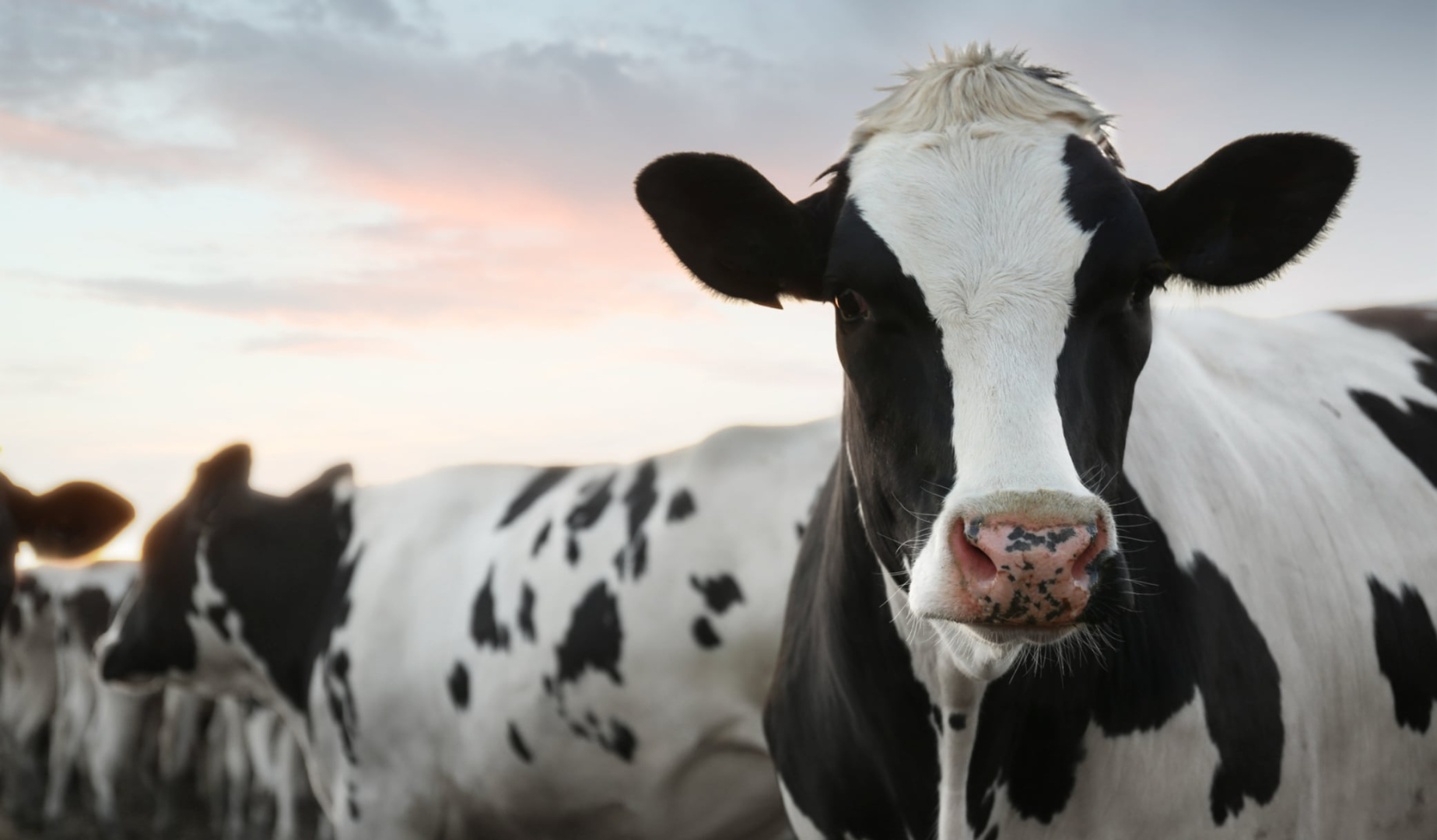
Extreme wet weather poses serious nutritional and health challenges for both beef and dairy cattle. With a combination of pasture management, supplemental feeding, and vigilant monitoring of water quality and cattle health, many of these challenges can be addressed
Extreme wet weather events, such as heavy rainfall, prolonged storms, or flooding, can have significant impacts on beef and dairy cattle. These weather conditions not only affect cattle management practices but also introduce a range of nutritional challenges that producers must address to ensure the health and productivity of their herds. The changes in pasture conditions, the quality of feed, and the overall environmental stress can lead to a range of problems that need careful management.
1. Decreased Pasture Quality and Availability
One of the most immediate impacts of wet weather on cattle nutrition is the decline in pasture quality and availability. Prolonged rainfall, flooding can cause waterlogging, leading to:
- Pasture Damage: Excessive moisture can result in pasture grasses becoming overly lush or waterlogged, reducing their nutritional value. Wet conditions often lead to reduced dry matter content, which means cattle are receiving less nutrition per mouthful of grass. In extreme cases, waterlogged soils can lead to the death of grasses or the spread of diseases like fungal infections, further impacting the pasture’s productivity.
- Limited Grazing Time: Flooded fields or excessively wet pastures can make grazing more difficult or impossible. Cattle may be forced to stay in mud-covered areas, reducing their access to quality forage. This leads to a nutritional gap that may need to be filled with
supplemental feeds. - Reduced Forage Growth: While some pastures may benefit from increased moisture, excessive rain can stunt grass/forage growth due to soil compaction or poor soil drainage. This also impacts the seasonal availability of forage, leading to scarcity during crucial
times.
2. Imbalance in Nutrient Intake
During periods of extreme wet weather, cattle may be consuming more waterlogged or less nutrient-dense forage. This imbalance can manifest in a few ways:
- Lower Protein Content: Wet conditions may dilute the protein content in pastures, especially in grasses. For beef and dairy cattle, protein is essential for muscle development, milk production, and overall health. Reduced protein intake can lead to weight loss in beef cattle and a decrease in milk yield in dairy cows.
- Higher Fibre Content: Excessive moisture can lead to higher fibre levels in forage, making it harder for cattle to digest and absorb necessary nutrients. This can result in bloating, lower feed conversion, and inadequate weight gain for beef cattle or reduced milk
production for dairy cows. - Mineral Deficiencies: Waterlogging can leach vital minerals, like potassium and magnesium, from the soil, which impacts the mineral content of the pasture. Deficiencies in these minerals can lead to issues such as grass tetany, which can cause muscle spasms, lethargy, or even death in severe cases.
3. Digestive Issues and Risk of Acidosis
Wet weather often causes shifts in how cattle are fed. When pasture quality declines, farmers may increase the amount of supplemental feed, such as silage, hay, or grain. However, changes in diet can lead to digestive issues:
- Acidosis: With increased grain or silage intake, especially when pasture intake decreases, cattle may develop acidosis, a condition where the pH of the rumen drops due to the fermentation of starches. This can lead to reduced feed intake, decreased milk production, and potential health problems like liver abscesses, lameness, or reduced fertility.
- Bloat: Wet weather can also affect the fermentation of silage. If silage is not properly fermented due to high moisture levels, it may lead to the growth of undesirable microbes that produce gases, causing bloat in cattle. This is particularly a risk when transitioning from pasture to silage-based diets.
4. Flooding and Water Quality Concerns
Flooding can contaminate water sources with debris, chemicals, and pathogens. Poor water quality is a significant concern for cattle health, as it can directly affect their ability to hydrate and digest food properly. Contaminated water can lead to:
- Increased Risk of Disease: Floodwater can carry bacteria, viruses, and parasites, which can infect cattle. The consumption of contaminated water can lead to digestive issues, respiratory infections, or even serious diseases such as leptospirosis.
- Reduced Water Intake: Cattle may avoid drinking contaminated water or find it more difficult to access clean water during and after floods. Dehydration can exacerbate nutritional problems, leading to decreased feed intake, weight loss, and compromised immune
function.
5. Additional Stress on Cattle
The environmental stress associated with extreme wet weather does not only affect the nutritional status of cattle but also their overall health:
- Lowered Immune Function: Prolonged wet conditions can create an environment that is conducive to the growth of pathogens. Cattle, stressed by wet, cold, and muddy conditions, are more susceptible to infections and illnesses, which further compromises their
nutritional intake and overall well-being. - Reduced Fertility and Growth: Stress from poor weather conditions can lead to hormonal imbalances, which may affect fertility in dairy and beef cattle. In dairy cows, reduced fertility can mean lower conception rates, while in beef cattle, it can result in slower weight gain and delayed time to market.
6. Strategies to Mitigate Nutritional Challenges
Producers can take several steps to mitigate the negative effects of extreme wet weather on cattle nutrition:
- Supplemental Feeding: Providing high-quality hay, silage, or other supplementary feeds is essential when pastures are insufficient. Ensuring that the diet is well-balanced with proper protein, fibre, and minerals will help maintain herd health and productivity.
- Adjusting Grazing Practices: If pastures are waterlogged, consider rotating cattle to drier areas or limiting grazing to prevent further pasture degradation. Temporary fencing or feeding stations can help ensure that cattle have access to better-quality forage or
supplemental feed. - Improving Pasture Management: Long-term solutions include improving drainage on pastures, using reseeding techniques to increase forage quality, and rotating grazing areas to prevent overgrazing and pasture degradation.
- Monitoring Water Quality: Ensuring access to clean water is crucial. Farmers should test water sources regularly and take steps to filter or replace contaminated water sources. If flooding has compromised the water supply, consideration should be given to bringing in fresh water to aid in the prevention of many health issues.
Conclusion
Extreme wet weather poses serious nutritional and health challenges for both beef and dairy cattle. With a combination of pasture management, supplemental feeding, and vigilant monitoring of water quality and cattle health, many of these challenges can be addressed.
Proactive measures and adaptability are key for ensuring the health of cattle and the continued viability of operations during and after periods of extreme weather.