Farming, Landcare
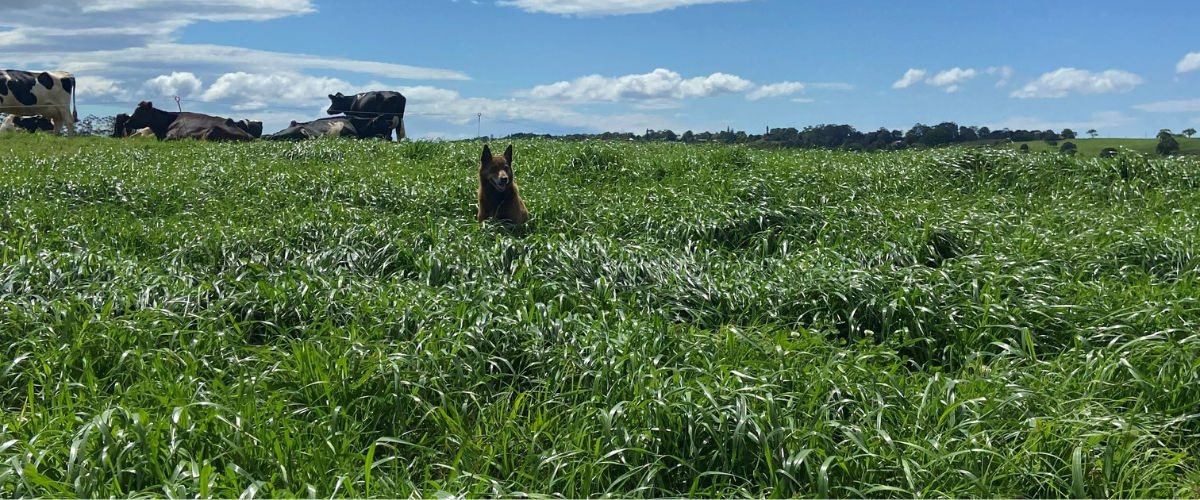
Depending on climatic conditions, Annual Ryegrass can be achieving maximum growth rates through late winter, gradually declining through spring and early summer. So how can you maximize ryegrass production from now until the end of the season?
Steve Elmsly, Agronomist, Norco AgriSolutions
Depending on climatic conditions, Annual Ryegrass can be achieving maximum growth rates through late winter, gradually declining through spring and early summer. So how can you maximize ryegrass production from now until the end of the season?
Keep applying Nitrogen (N) fertiliser.
One of the things that affects the response to N is the plants growth rate – the faster the growth, the greater and more immediate the response.
As you get into late September, reassess the conditions and pasture growth rate – as it slows, it may be time to cease N applications. As they say, you don’t feed oats to a dead horse; likewise, there is little benefit in applying N to slow growing ryegrass approaching Summer.
Watch out for Rust.
Even “rust-resistant” ryegrass varieties can get rust under warm, wet conditions. The treatment for rust is to graze heavily and apply nitrogen.
Adjust round length to maintain pasture quality. Early maturing varieties typically start going to seed from mid-October, with late varieties starting a few weeks later. As the proportion of stem increases, the forage quality decreases and there is less energy in each mouthful. Seeding date can be delayed by either speeding up the grazing round or topping (slashing) ryegrass to encourage leaf production and therefore maintain feed quality.
Use herbicides wisely.
If you are spraying for seasonal pasture weeds, think about what is to be planted next. Some herbicides have a long plant-back period for certain crops so keep this in mind and consult your local Norco Agronomist for specific advice.