

Farming
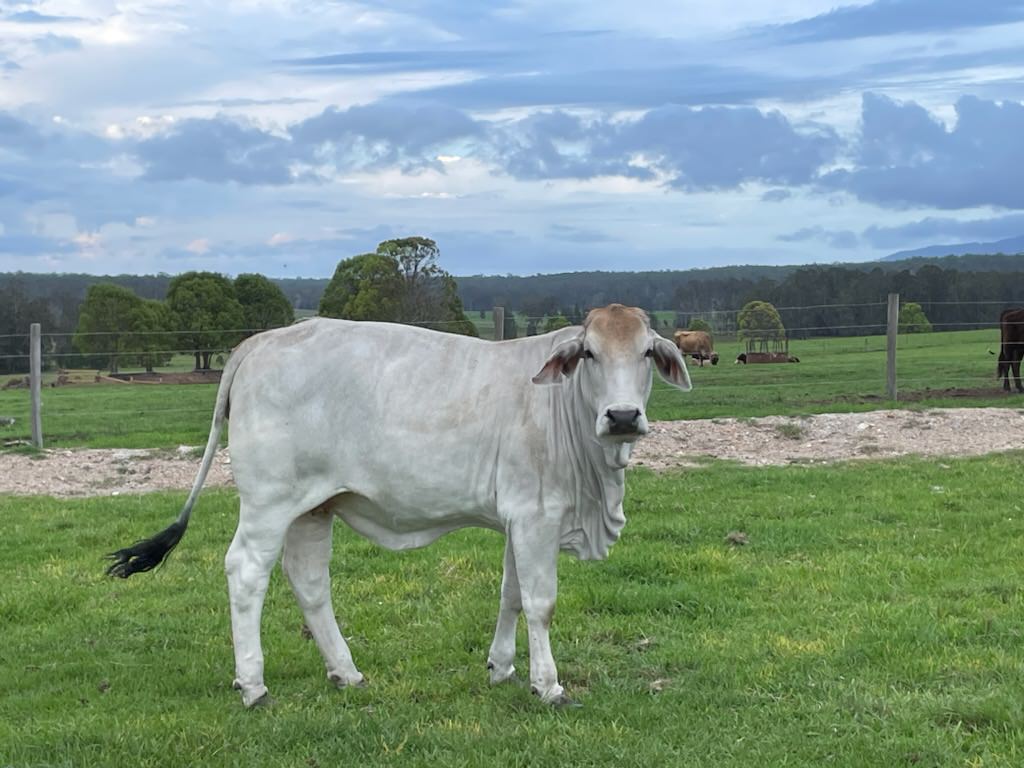
Summer is the peak season for buffalo flies and ticks for all types of livestock in the agricultural industry. These small biting parasites affect livestock in many ways, and here’s how you can manage the population on your property.
Summer is the peak season for buffalo flies and ticks for all types of livestock in the agricultural industry. These small biting parasites affect livestock in many ways, and here’s how you can manage the population on your property.
What are Buffalo Flies?
The buffalo fly is a small biting fly that feeds off the cattle, resulting in reduced production caused by irritations. They live permanently on their host, feeding off the cattle 10-40 times per day.
The Buffalo Fly lifecycle
As the adult lifecycle of the buffalo fly is 2-3 weeks, having a management strategy in place is important to maintain the level of buffalo fly in your herd.
Management strategies for Buffalo Flies
The management strategies for buffalo flies include:
- a non-chemical treatment, and the
- use of chemical groups.
The most common procedure on farms is the chemical group, which includes:
- Synthetic Pyrethroids (SP),
- Organophosphates (OP), and
- Macrocyclic Lactones (ML).
The application can be by a spray, pour-on, and/or an insecticidal ear tag.
How do insecticidal ear tags prevent Buffalo Flies?
Insecticidal ear tags are recommended for the peak of the season, which occurs from late January onwards.
The ear tags are an effective control method for up to four months, and if applied in late January, they need to be removed in May.
It is recommended that during buffalo fly season, the type of ear tag should be rotated to reduce the slow onset of resistance.
Can you use sprays, pour-ons, and insecticidal ear tags at the same time?
The sprays and pour-on only last between 2-3 weeks compared to the tags, and can be used before the application of the ear tags, early in the fly season when there are fewer buffalo flies.

Ticks
Ticks are a small parasite that sucks blood from other animals. They can cause severe economic damage to dairy and beef production as well as affect other species of livestock.
Types of Ticks
There are three types which are a main concern, these include:
Bush Tick
- These thrive in a moist, temperate environment (thick pastures)
- Any animal can be a host.
Paralysis Tick
- Commonly found in young or smaller animals (dogs particularly)
- Inject a paralysing toxin into the animal, which can be fatal.
Cattle Tick
- Significant economic pest in the Queensland Cattle Industry
- European breeds are most susceptible.
- Can cause tick fever in cattle.
All types of ticks mentioned favor the northern warmer climate and are found mainly on the coast.
How to control ticks
Bush ticks and paralysis ticks are almost impossible to eradicate from your property. One of the most popular control methods is the application of chemicals.
The registered chemicals used to reduce tick infestations fall in the synthetic pyrethroid, organophosphate, and amitraz groups.
These chemical groups are only available in sprays and dips for application.
Dips are the most effective method, however, they require infrastructure for this procedure to occur. Sprays are also effective, but the cattle need to be saturated.
Consult your local animal health specialist at Norco AgriSolutions for further advice.