

Dairy
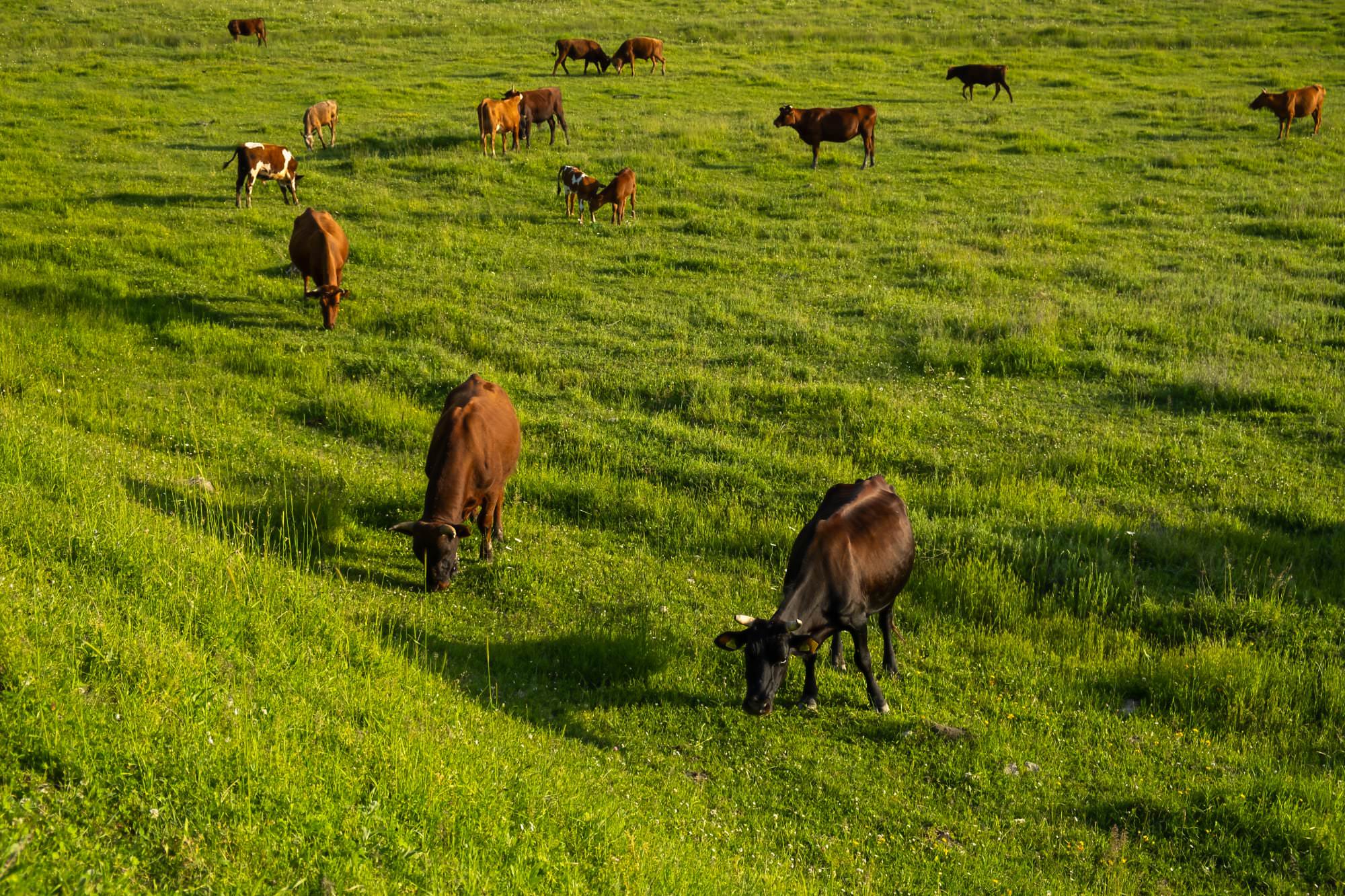
Feeding cattle on the east coast of Australia, particularly when utilizing green feed and dry lick supplements, is a critical practice to optimize livestock nutrition and productivity.
Feeding cattle on the east coast of Australia, particularly when utilizing green feed and dry lick supplements, is a critical practice to optimize livestock nutrition and productivity. The region's climate and agricultural practices play a pivotal role in shaping feeding strategies, and the proper use of green feed and supplements can significantly improve cattle health and performance.
The Importance of Green Feed
Green feed refers to fresh, growing forage that cattle consume, including pasture grasses, forage crops, legumes, and other plant material. The east coast of Australia is known for its diverse farming landscapes, with regions ranging from subtropical to temperate climates, making it suitable for a wide range of green feed options. The availability of green feed fluctuates with seasonal changes and weather patterns, and thus, it's essential for producers to adapt their feeding programs accordingly.
As with the current wet season, green feed is abundant, providing cattle with a natural source of nutrition, including protein, energy, vitamins, and minerals. However, the nutritional profile varies greatly between regions and even paddocks and are subject to extreme variance due to stress such as excess rainfall and/or extreme temperature. This is where dry lick supplements come in, helping bridge the gap when pasture conditions are suboptimal.
Dry Lick Supplements
Dry lick supplements are essential for maintaining cattle health and performance, particularly when green feed quality or availability is limited. These supplements are typically formulated with a variety of ingredients designed to support the nutritional needs of cattle. Common ingredients include:
- Protein: Essential for growth, reproduction, and milk production. Dry licks often contain protein meals, such as canola meal, to boost protein intake when pasture quality drops.
- Energy: Supplementing with high-energy ingredients such as molasses or grains helps meet the energy demands of cattle, especially during periods of high production or growth.
- Minerals and Vitamins: Dry lick supplements are also a vital source of essential minerals like calcium, phosphorus, magnesium, and trace elements such as zinc and copper. These minerals play an important role in maintaining bone health, supporting the immune system, and preventing deficiencies.
- Salt: Sodium chloride is commonly added to dry licks to encourage cattle to consume the supplement. Proper salt intake also supports hydration, particularly in warmer months.
The formulation of dry licks is tailored to the specific needs of the cattle, depending on their age, weight, stage of production, and the nutritional profile of available pasture. In regions with higher rainfall, farmers may need to adjust the balance of nutrients in supplements, as lush, green feed may still meet many nutritional needs during wet periods.
Benefits of Green Feed and Dry Lick Supplementation
- Optimized Health and Growth: The combination of green feed and dry lick supplements helps ensure that cattle are receiving a balanced diet, particularly when natural pasture is insufficient or of poor quality. This promotes optimal health, weight gain, and reproductive success.
- Reduced Supplementation Costs: By incorporating green feed into the cattle's diet, farmers can reduce the reliance on expensive concentrates and processed feeds. Dry lick supplements are an affordable way to ensure cattle still receive essential nutrients when grazing is not enough.
- Improved Milk Production: For dairy producers, the right balance of green feed and dry lick supplements is critical for milk yield and quality. Cattle on a well-balanced diet are more likely to produce higher-quality milk and have improved fertility.
- Seasonal Management: By strategically using dry lick supplements, farmers can adjust feeding programs to match the availability of green feed throughout the year. This is especially important during periods of drought or after harsh weather events that affect pasture quality.
- Prevention of Deficiencies: In certain regions of the east coast, particularly areas that experience poor soil conditions, cattle may be prone to deficiencies in trace minerals like selenium, copper, and zinc. Dry lick supplements can help fill these gaps and prevent deficiency-related health problems.
Challenges and Considerations
While the benefits of green feed and dry lick supplementation are clear, there are several considerations producers should keep in mind:
- Cost: While dry licks are often cheaper than feeding out large quantities of grain, the cost of supplements can add up over time, however when the benefits are added up, dry lick supplementation is a very affordable on-farm investment, improving green feed utilisation, maintaining animal growth & performance and supporting both gut & overall animal health.
- Monitoring Consumption: It's important to monitor how much cattle are consuming to ensure they are getting the proper nutrients. Over-consumption or under-consumption of certain nutrients can lead to health issues such as salt toxicity or mineral imbalances.
- Climate and Weather: The unpredictability of the weather means that feeding strategies need to be flexible. Producers should be prepared to adapt their supplementation strategy based on seasonal changes, drought, and other weather-related factors.
- Pasture Management: Relying too heavily on dry licks without proper pasture management can lead to long-term soil degradation and loss of forage productivity. Balancing supplementation with good pasture management practices is crucial for long-term sustainability.
Conclusion
Feeding cattle on the east coast of Australia with a combination of green feed and dry lick supplements is an effective strategy for maintaining healthy, productive livestock. By understanding the nutritional needs of cattle, adjusting supplementation based on seasonal availability, and closely monitoring herd health, farmers can ensure that their cattle thrive throughout the year. With the right approach, green feed and dry lick supplementation offer an essential tool for sustainable cattle management in a variable climate.